HERNIA REPAIR CAPE TOWN
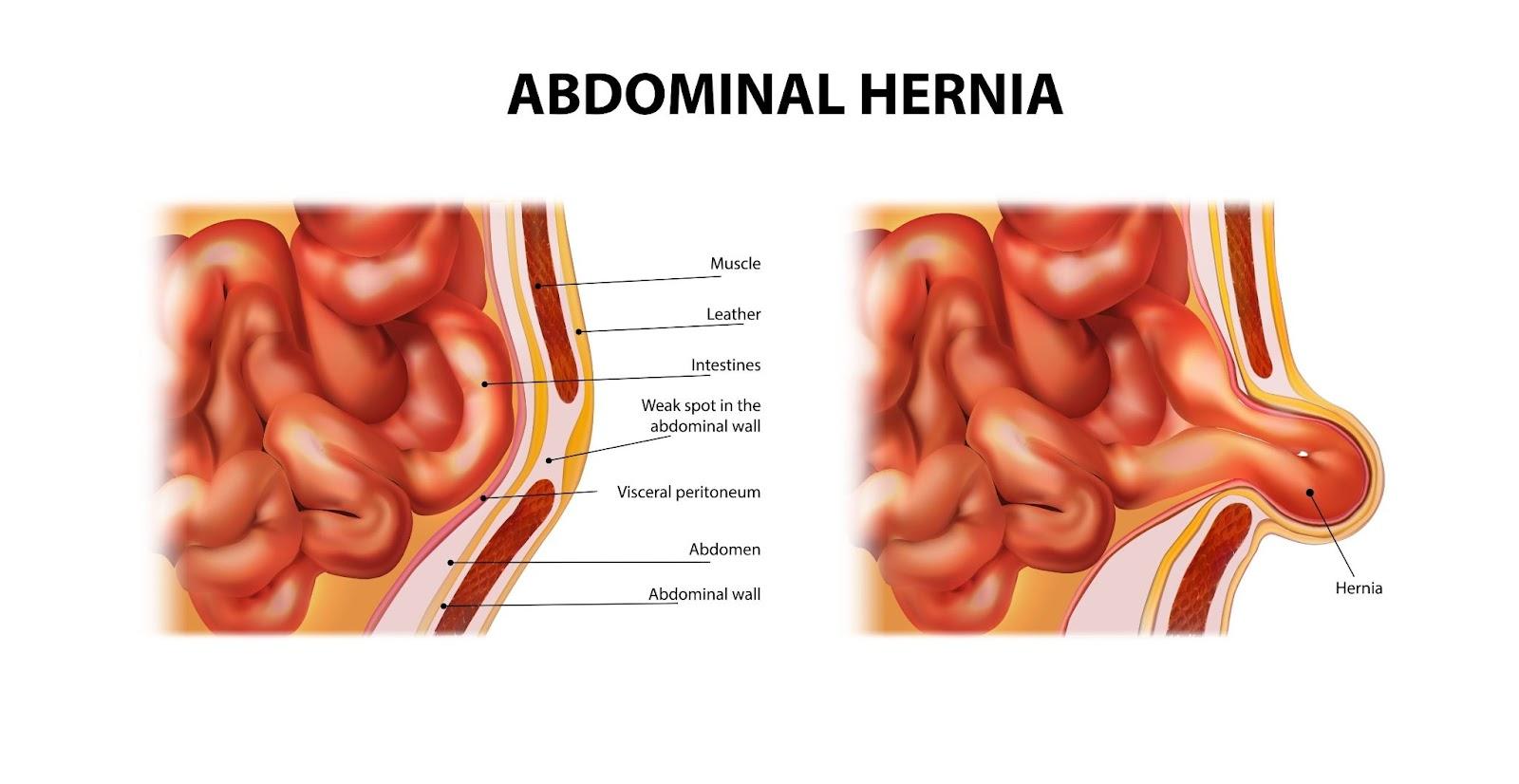
A hernia is a bulging of an organ or tissue through an abnormal opening. Typically, a hernia involves intra-abdominal fat or intestine. Symptoms may include a bulge, swelling or pain but in some cases, there are no symptoms. Hernias usually don’t get better on their own and they tend to get bigger. However, if there are no symptoms it may not need surgery at all and a watchful waiting approach may be acceptable and safe.
WHEN IS SURGERY RECOMMENDED?
Surgery is usually advised once a hernia becomes uncomfortable or starts to interfere with your work or exercise. Seek medical help urgently if a hernia suddenly becomes very painful or changes colour, particularly if you also feel nauseous or start vomiting. This can mean the hernia has become trapped, which needs prompt treatment. Dr Hannington also manages abdominal emergencies of this kind.
WHAT CAN I EXPECT?
Your first consultation starts with a conversation about your symptoms and how they affect your routine. The area is then examined, usually while you are standing and again while you are lying down. Occasionally, an ultrasound or CT scan is requested to plan the repair in more detail. Details of the consultation fee are available before you book.
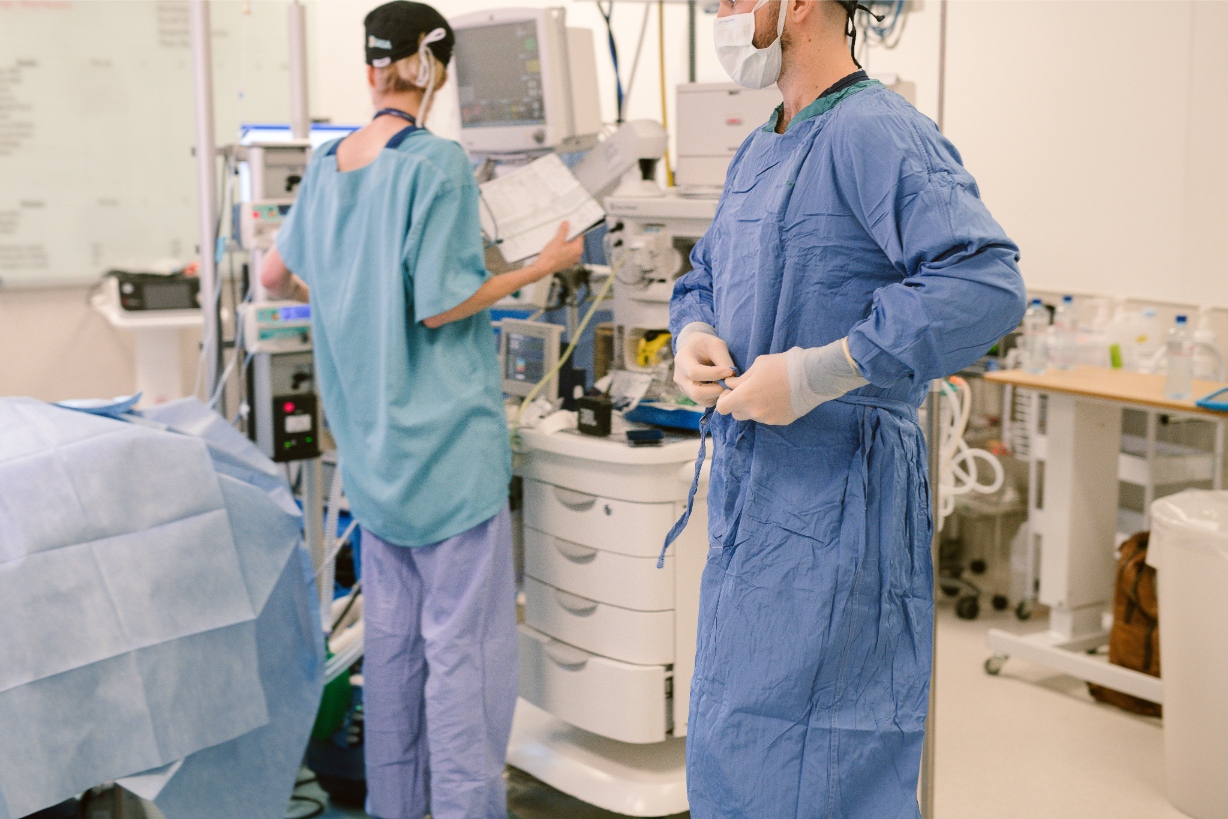
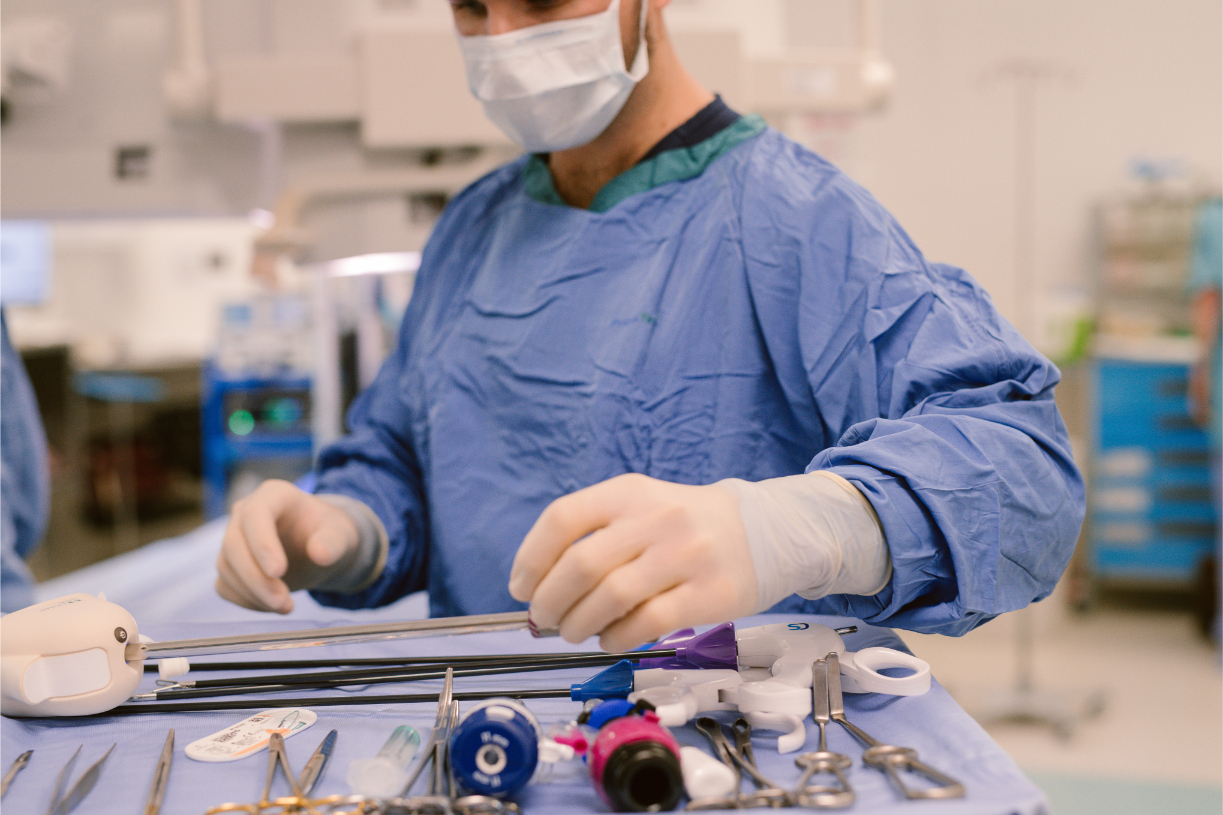
The type of surgery will depend on the location of the hernia and the severity of the symptoms. The repair may be done through open or laparoscopic surgery. Laparoscopic surgery is generally preferred where possible due to reduced healing times; however, there are cases where open repairs offer better results. You will be placed under general anaesthesia for the procedure. The tissue or organ coming through the defect will be put back into its correct position, and the opening is closed with sutures, mesh, or both. Mesh is used in most repairs according to current guidelines, as this offers a significantly reduced risk of the hernia recurring.
TYPES OF HERNIAS
INGUINAL HERNIA
Inguinal hernias occur in the groin when part of the intestine or fat pushes through a weakness in the inguinal canal causing a bulge often associated with pain.
UMBILICAL HERNIA
Umbilical hernias appear at or near the belly button. They can be present from birth or develop later in life, for example after pregnancy or weight gain.
INCISIONAL HERNIA
Incisional hernias develop through the scar of a previous abdominal operation, where the tissue has not regained its full strength.
HOW CAN YOU PREPARE FOR SURGERY?
Preparation is generally simple. Beforehand, it helps to:
- Follow the fasting instructions you are given, which normally means no food or drink for several hours beforehand
- Tell Dr Hannington about everything you currently take, including blood thinners and supplements
- Arrange a lift home, as you will not be able to drive after the anaesthetic
- Plan a few quieter days at home with easy meals prepared in advance
WHAT IS RECOVERY LIKE?
Many hernia repairs are done as day procedures or with a single overnight stay in hospital. Some tenderness around the wound is normal for the first few days and is managed with pain relief. Gentle walking soon after surgery is encouraged, as it supports circulation and healing.
Desk-based work is often possible again within one to two weeks. Heavy lifting and strenuous exercise usually need to wait longer, often four to six weeks, depending on the type of repair. A follow-up visit allows Dr Hannington to check how you are healing.
READY TO HAVE YOUR HERNIA ASSESSED?
A lump that comes and goes, or discomfort that will not settle, is worth having checked. Dr Hannington sees patients for hernia repair in Cape Town at Netcare Christiaan Barnard Memorial Hospital and Rondebosch Medical Centre. You can read more about Dr Hannington and his surgical background before your visit.
Frequently Asked Questions
Can hernias on both sides be repaired at the same time?
Yes, in many cases. When inguinal hernias are present on both sides of the groin, they can often be repaired in a single operation, usually through the same small keyhole incisions.
Will I have a scar?
A keyhole repair leaves a few small scars, each roughly a centimetre long, which tend to fade over time. An open repair leaves a single, longer scar close to where the hernia was.
Can I stay active while I wait for surgery?
Walking and light daily activity are generally fine. It is sensible to avoid heavy lifting or straining that makes the swelling more noticeable, and to discuss your usual exercise routine at your consultation.
Can a hernia come back after it has been repaired?
Recurrence is possible after any repair. Smoking, a persistent cough and returning to heavy lifting too soon can all place strain on the healing tissue, so following your recovery advice makes a real difference.
When can I drive after hernia surgery?
You can usually drive once you can move comfortably and perform an emergency stop without pain. It is worth checking your car insurer’s requirements as well.
Will my medical aid cover hernia surgery?
Cover depends on your medical aid and plan. Once your treatment plan is set at your consultation, your scheme can tell you about your benefits and any pre-authorisation requirements.